
The international classic car market recorded a restrained year in 2025, confirming the definitive end of the post-pandemic boom cycle.
Even so, specific segments — especially modern classics, historic Hot Hatches and turbocharged models from the 1980s and 1990s — showed significant growth, according to new data released by Hagerty, which monitors the values of 3,000 models globally through its Price Guide, one of the most respected resources in the sector.
+ End of an Era: KLM Retires Its First Boeing 737-800 After 25 Years
John Mayhead, editor of the Hagerty UK Price Guide, summarizes the scenario: “2025 was, overall, an extension of what we saw at the end of 2024. Buyers are more cautious, and almost 80% of cars saw values fall or remain flat. But some areas of the market remain strong and continue to attract major interest.”
Modern classics heat up as demand for Hot Hatches and turbo cars rises
Hagerty UK indexes show that the year’s biggest highlights are among modern classics, driven by nostalgia and the growing interest of the RADwood community. Legendary Hot Hatches have climbed again in price, reflecting the buying patterns of collectors who now seek the cars they admired in their youth.
Among the rising models:
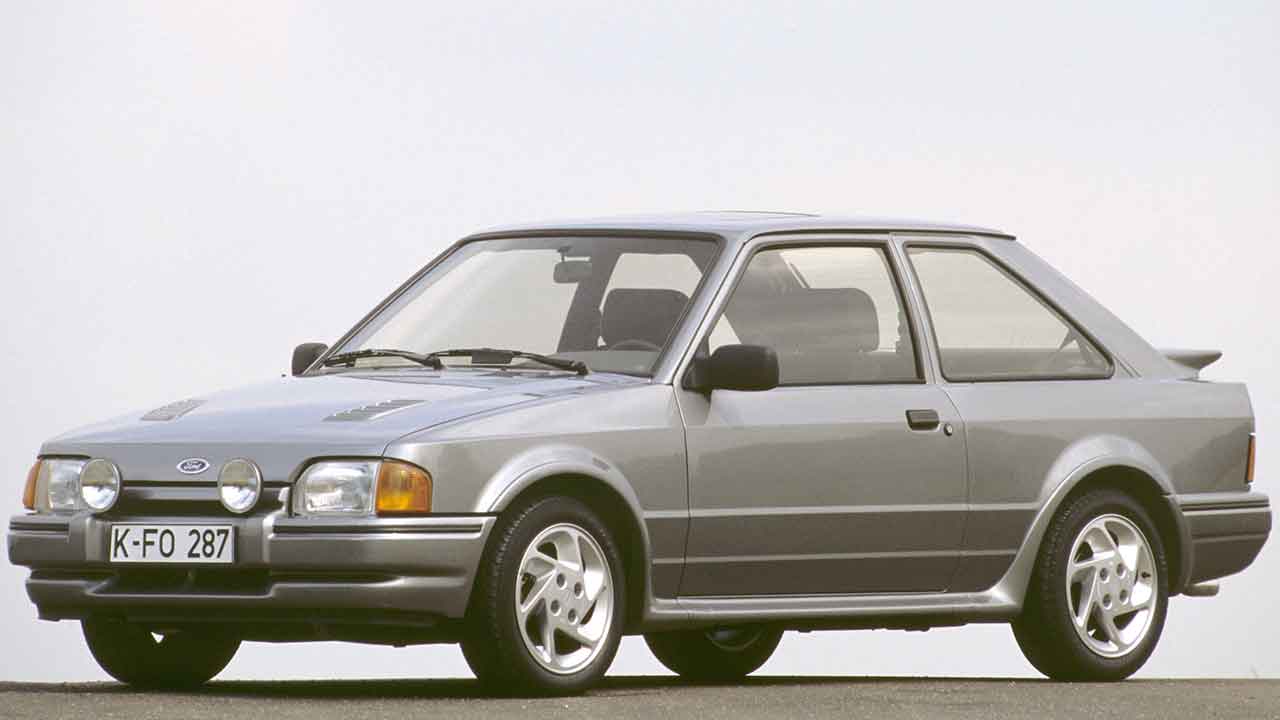
- Ford Escort RS Turbo Mk III (1985–1986): 23% appreciation.
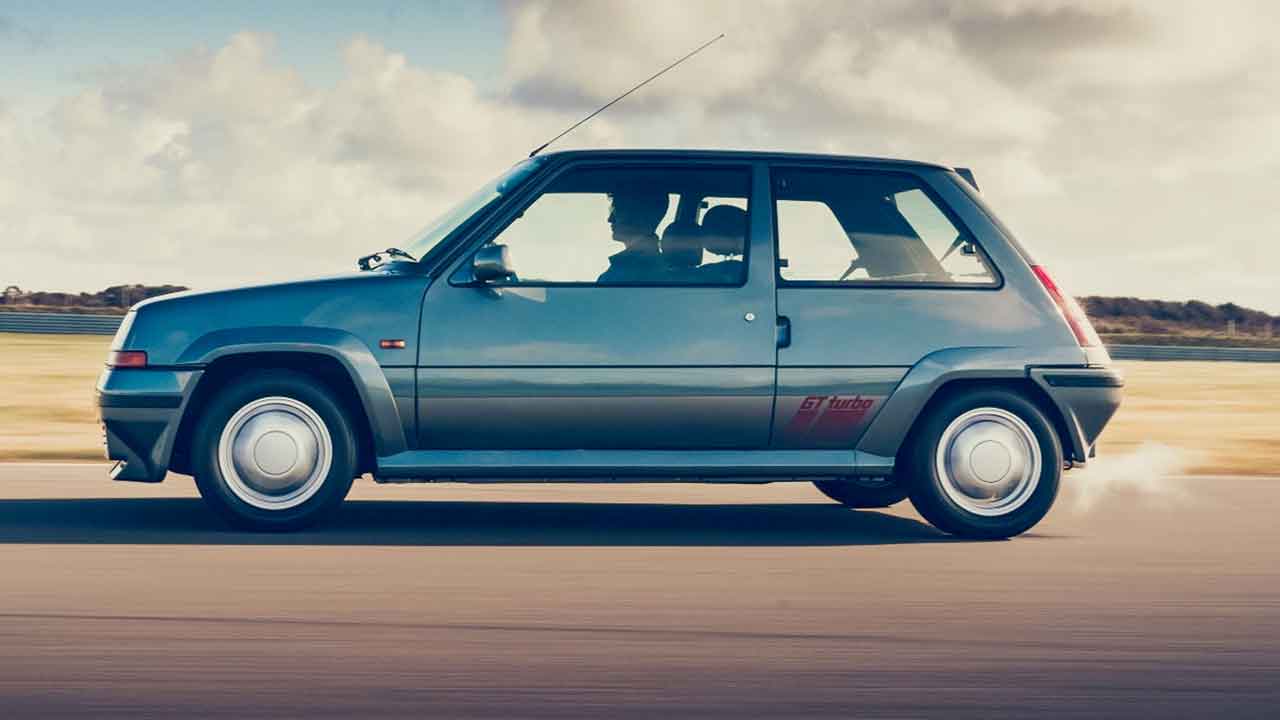
- Renault 5 GT Turbo (1986–1991): 7.5% increase, possibly influenced by the launch of the new electric Renault 5.
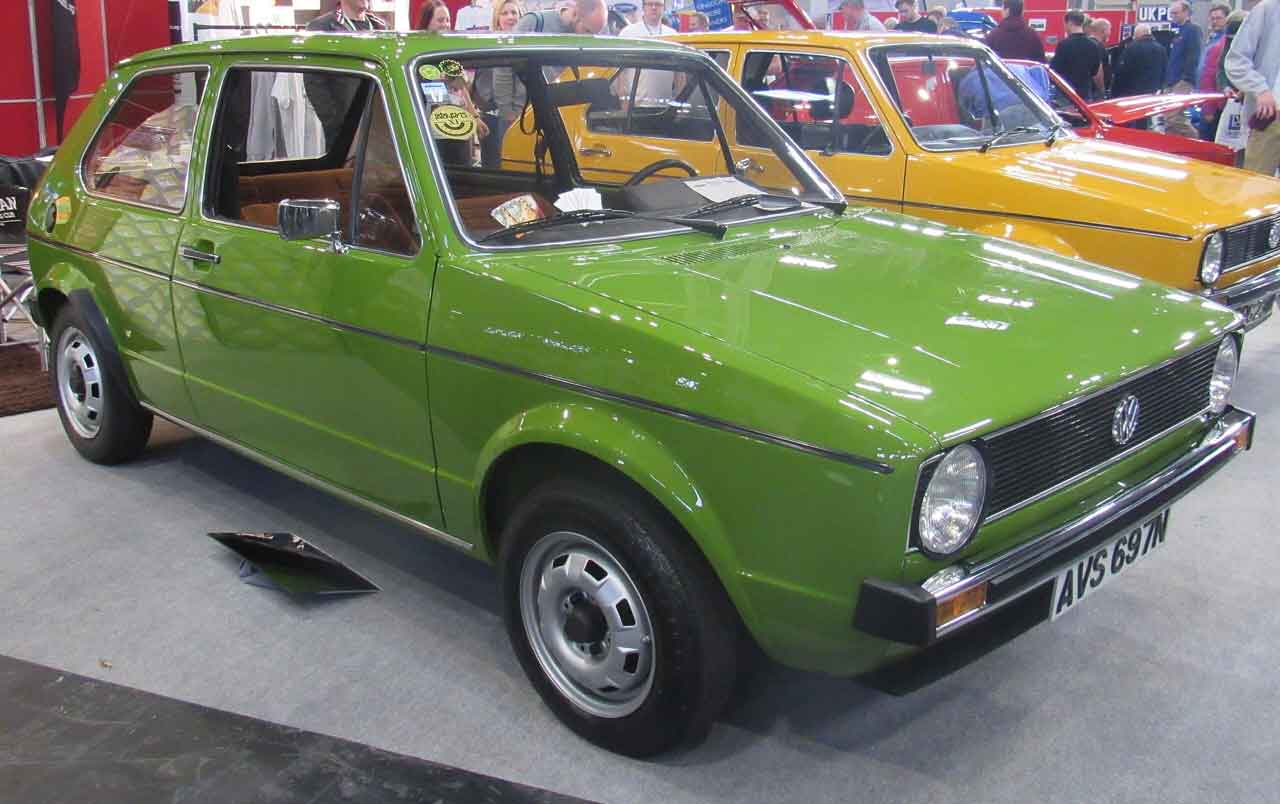
- Volkswagen Golf GTi Mk 1 1600 (1975–1984): 6% rise.
This trend confirms the consistency of Hot Hatches as an entry class for new collectors and their growing relevance in the modern market.
High-value auctions deliver multimillion-pound highlights
Despite the overall slowdown, 2025 saw exceptionally strong sales at the upper end of the market:
Mercedes-Benz W196R Stromlinienwagen (1954) – sold by RM Sotheby’s for over £45.1 million, the second-highest price ever achieved in automotive auctions.
- Ferrari 250 LM (1964) – £30.8 million.
- Ferrari Daytona SP3 (2025) – £19.9 million, becoming the most expensive new car sold of the year.
- Gordon Murray S1 LM – £15.7 million in Las Vegas.
- McLaren F1 with high-downforce kit – record US$25.3 million in Abu Dhabi.
Ferraris once again dominated half of the top 10, confirming the brand’s enduring power in the ultra-high-value segment.
The U.S. remains dominant, but the year’s biggest sales came from Europe
Traditionally the largest stage for elite auctions, the United States continued to handle a major share of high-value transactions. However, in 2025, the two most expensive sales took place in Europe.
In the United Kingdom, the scenario is more challenging: premium auctions face declining performance, and Bonhams’ Goodwood Revival recorded its lowest total since 2016.
Experts attribute the shift to post-Brexit complexities and reduced confidence among international buyers.
A less inflated and healthier market
Despite widespread declines, analysts emphasize that the movement does not represent a crisis, but a normalization after years of inflated prices driven by the post-Covid context.
“The best cars remain in demand, but economic uncertainty has affected sales and exports,” explains Mayhead. “Older British classics have lost momentum, while some modern models are still rising. But there is no collapse: just a healthy return to real market levels, which is positive for the hobby and for new buyers.”
Source: Hagerty International. This content was created with the help of AI and reviewed by the editorial team.
